.the_archive / Gian Carlo Riccardi
.the_archive / Gian Carlo Riccardi
Gian Carlo Riccardi
.image gallery
Pronouns
Location
AB -
Canada
Links
Status
Deceased
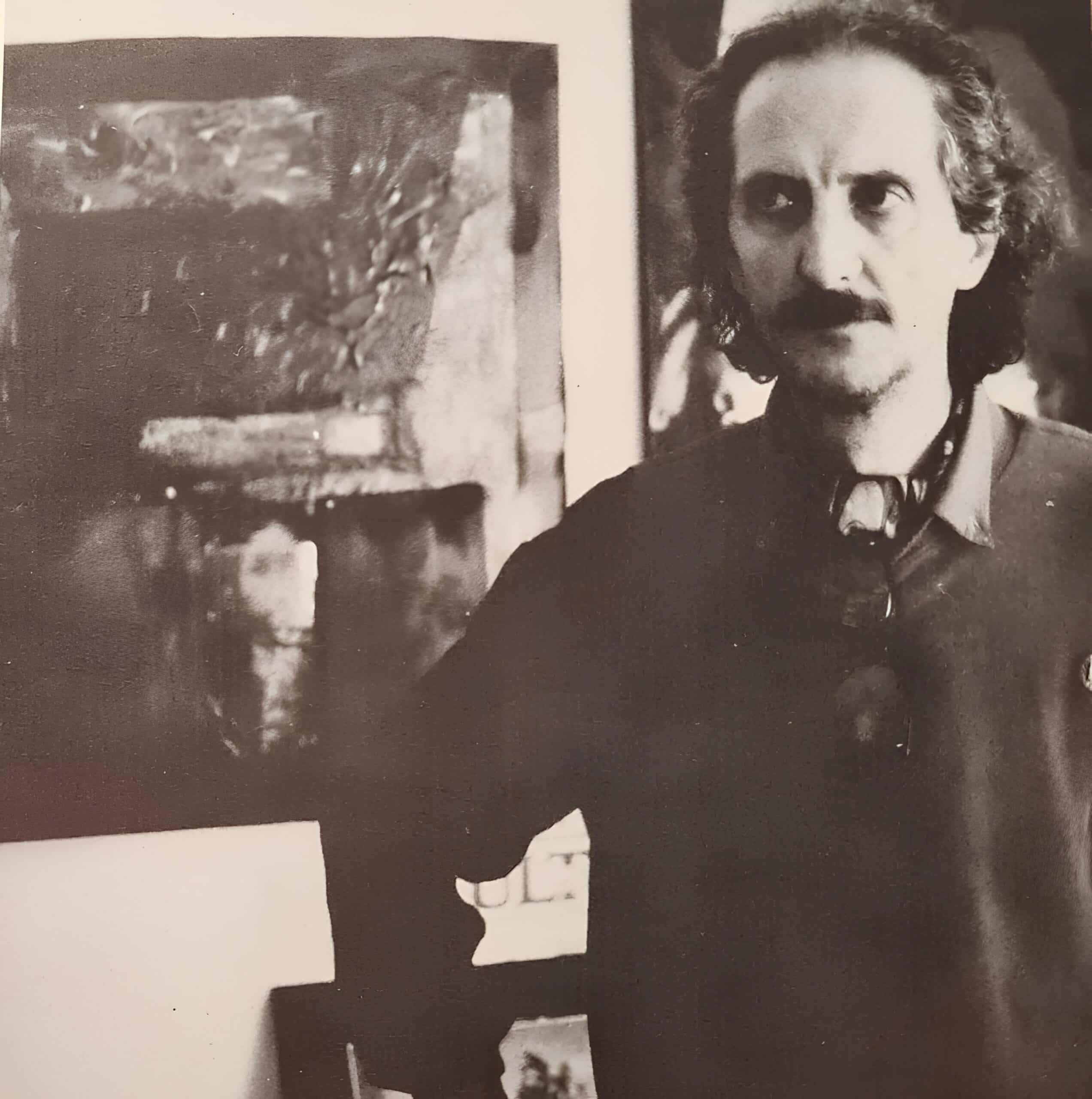
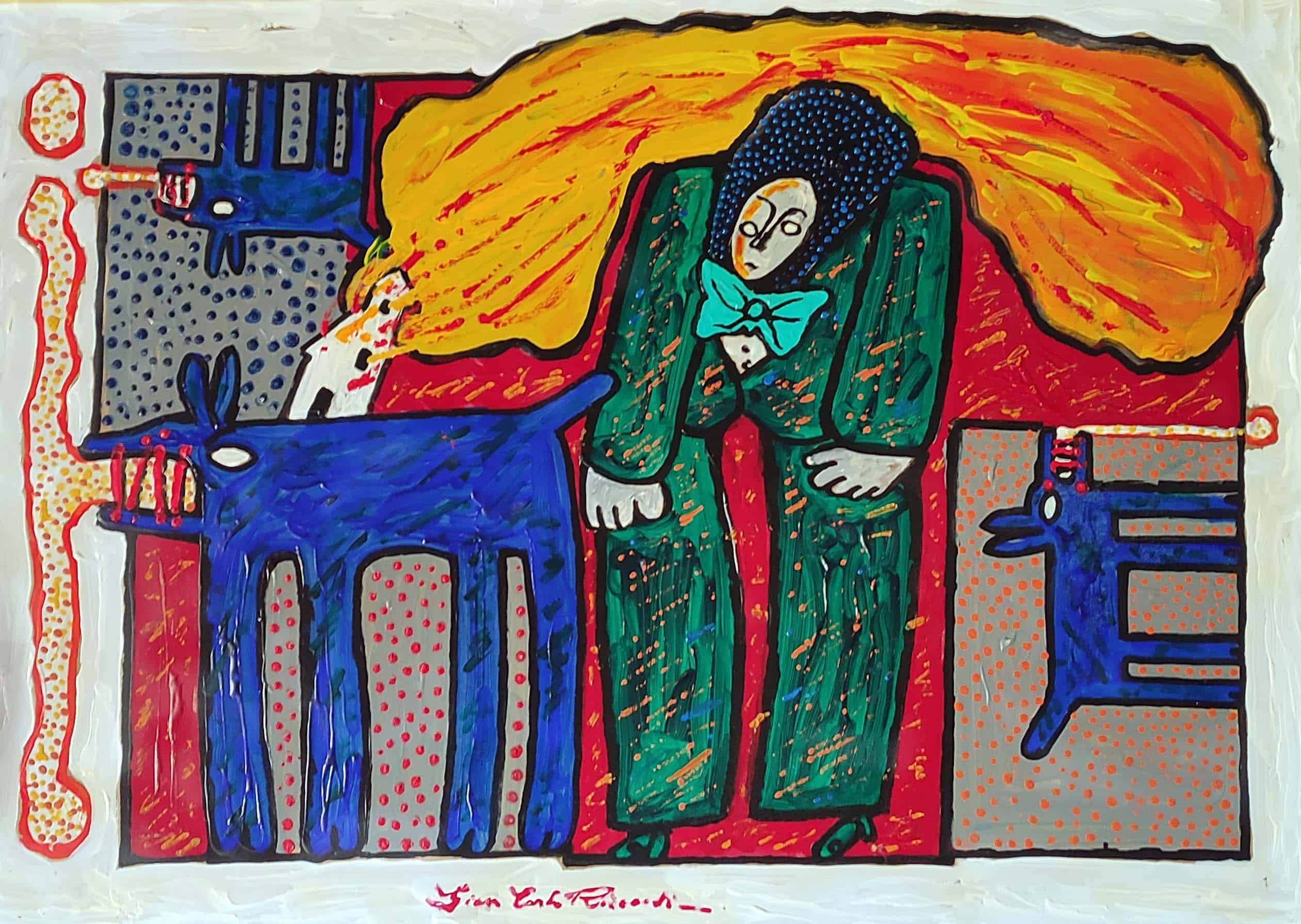
Gian Carlo Riccardi (Frosinone, October 21, 1933 – Frosinone, February 7, 2015) was an Italian multimedia artist, theater director, set designer, and writer celebrated for his multidisciplinary approach across the visual and performing arts. Renowned art critic Enrico Crispolti famously defined him as a “Multimedia Artist,” highlighting his unique capacity to bridge diverse creative domains throughout his prolific career.
Having demonstrated a natural passion for the arts from early childhood through caricatures and drawings inspired by satirical journals, Riccardi completed his classical high school studies before graduating in Stage Design from the Academy of Fine Arts of Via Ripetta in Rome in 1961 where he studied under masters such as Mario Rivosecchi, Peppino Piccolo, and Toti Scialoja. He subsequently earned a diploma in Theater and Film Direction from the prestigious Centro Sperimentale di Cinematografia in Rome. Throughout the 1960s and 1970s, Riccardi worked for Italian national television (RAI) as an assistant to set designer Cesarini Da Senigallia, while simultaneously contributing satirical caricatures to publications such as Il Travaso delle Idee, Simplicissimus, La Tribuna Illustrata, and Il Bertoldo.
As an author of texts and audiovisual projects, Riccardi became a leading figure in the historic Roman theatrical avant-garde. He actively collaborated with key avant-garde figures including Carmelo Bene, Memè Perlini, Pino Pascali, Mario Ricci, Nino De Tollis, and Filippo Torriero, participating in seminal festivals across Italy such as the Settimana di Teatro Nuovo (1976) in Frosinone, Teatro da Voi (1977) at Spazio Uno in Rome, and Incontri 1984 in Milan. Alongside Giancarlo Nanni, Manuela Kustermann, Giuliano Vasilicò, and Pippo Di Marca. In his hometown of Frosinone, Riccardi established the avant-garde troupe Gruppo Teatro Laboratorio Arti Visive in 1961, followed by the opening of the Teatro Club in 1962. Crispolti framed Riccardi’s theatrical practice as a form of “theater-painting”—an environment where the artist acts through the physical process of painting and where spoken words gradually give way to silence.
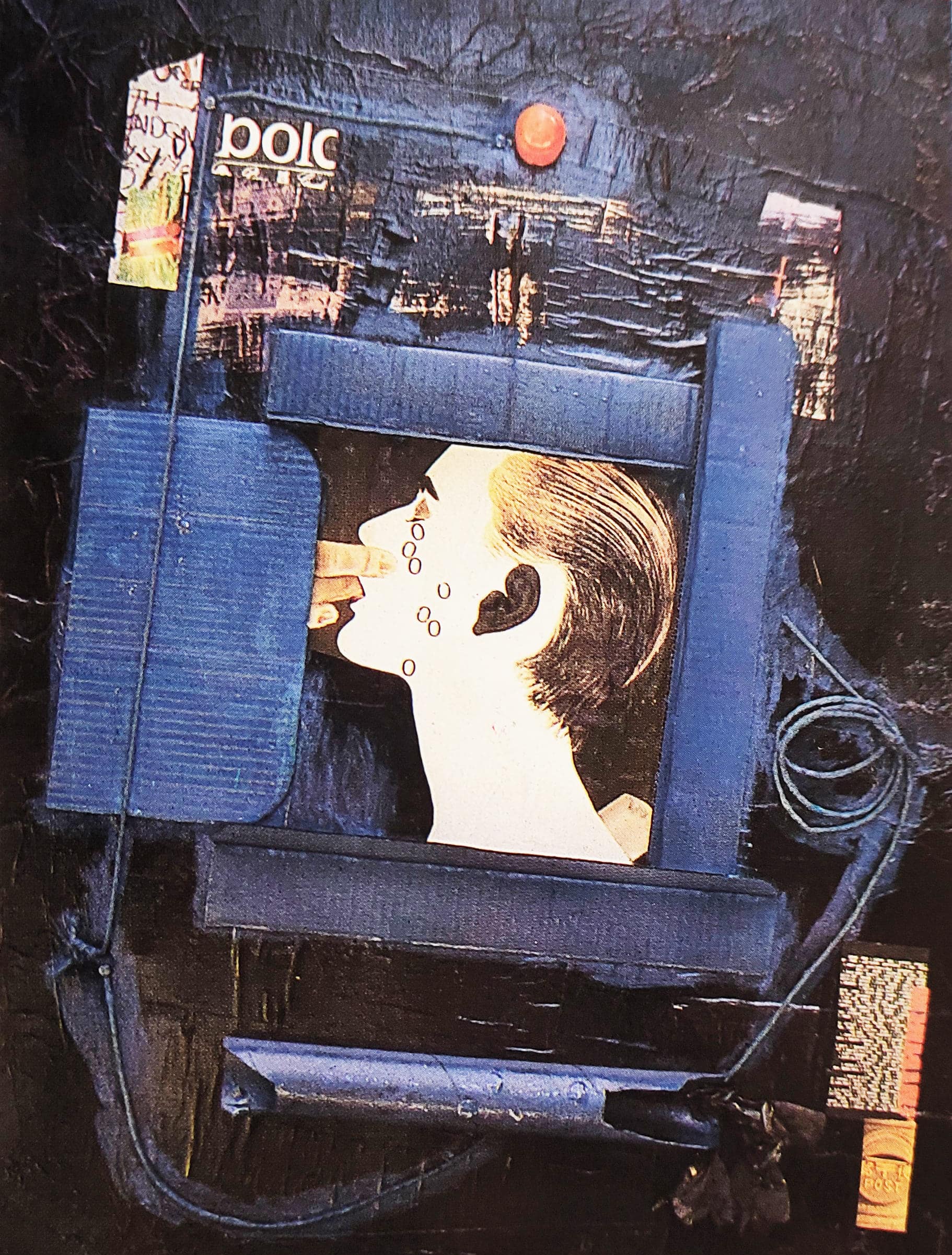
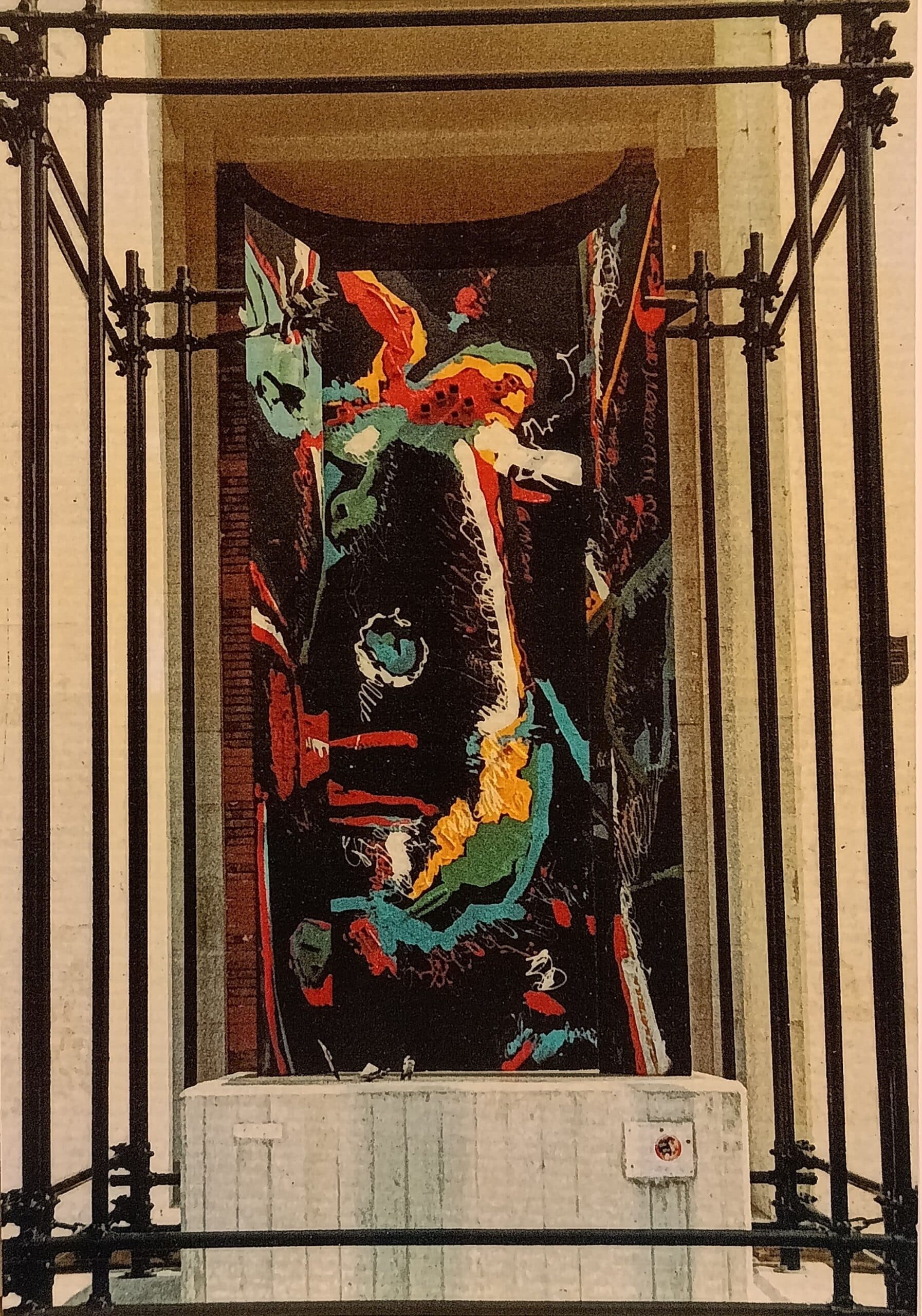
Throughout the 1970s and 1980s, Riccardi maintained close intellectual friendships with leading cultural figures, including Alberto Moravia, Cesare Zavattini, Libero De Libero, Umberto Mastroianni, and Mario Lunetta. His visual production spans drawings, collages, and ready-made abstract compositions, while his later works frequently revisited childhood memories and youth themes. Moving into sculpture, he presented his first major installation at Expo CT 72 in Milan, adopting an arte povera aesthetic centered on humble materials such as paper, plexiglass, wood, and iron. From the 1980s onward, Riccardi pioneered his signature “Stanze” (Rooms)—immersive installations composed of abstractly painted panels, wooden elements, and everyday objects.
Riccardi’s works have been featured in major solo and group exhibitions internationally, including the Galleria d’Arte Moderna Giraldi in Livorno (1962), Palazzo delle Esposizioni in Rome (1968), ArtExpo in Geneva (1984), the British Art Fair in London (1985), the Centre International D’art Contemporain at the Salons des Nations in Paris (1988), the European Parliament in Strasbourg (1991), the Manege Central Exhibition Hall in Moscow (1991), the Kodama Gallery in Osaka (1993), the XLV Venice Biennale (1993), the Festival dei Due Mondi in Spoleto (1995), Franca Rame and Dario Fo’s Galleria Il Naviglio in Milan (1997), the Fundació Antoni Tàpies in Barcelona (1999), and the Contemporary Visual Art Biennale of Frosinone (2012). A prolific writer of narrative works and screenplays, Riccardi passed away in Frosinone in 2015. His profound creative legacy has been praised by eminent critics and writers, including Angelo Maria Ripellino, Elio Pagliarani, Aggeo Savioli, Vito Riviello, Costanzo Costantini, Filiberto Menna, Jolena Baldini, and André Pieyre de Mandiargues, securing his place as one of the most intense and sensitive artistic voices of contemporary art.